
Department of Science Education
Welcome to the Department of Science Education, a dynamic academic unit committed to preparing highly competent and innovative science educators. Our Department is dedicated to advancing teaching excellence in Biology, Chemistry, Physics, Mathematics, and Agricultural Education. We provide a supportive learning environment where students develop strong subject knowledge, pedagogical skills, and professional ethics.
Through quality instruction, research, and practical training, we equip our students to meet the demands of modern science education and contribute meaningfully to national development. We invite you to join a community focused on excellence, innovation, and lifelong learning.
Message from HOD
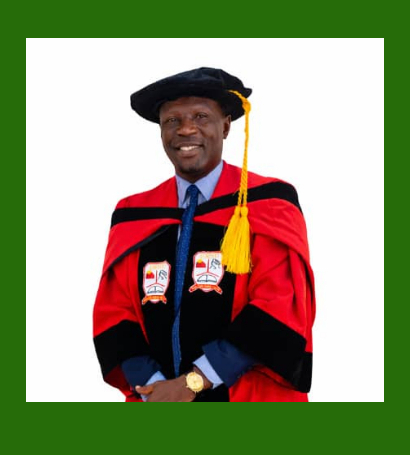
Dr. Samuel Toyin FAMUWAGUN
Ag. Head, Department of Science Education
About the Programme
The Department of Science Education offers specialised programmes in Biology Education, Chemistry Education, Physics Education, Mathematics Education, and Agricultural Education. These programmes are designed to integrate scientific knowledge with modern teaching methodologies, preparing students to become effective educators and curriculum developers.
Students are trained in subject content, pedagogy, educational psychology, curriculum development, and instructional technology. The programme includes teaching practice, laboratory work, and research projects that provide hands-on experience in real classroom and field settings.
Our curriculum aligns with national education standards and global best practices, ensuring that graduates are well-equipped to teach, innovate, and contribute to science education at various levels.
Programme Philosophy
The Department is founded on the belief that quality science education is essential for technological advancement and national development. It emphasises the integration of theoretical knowledge with practical teaching skills, critical thinking, and innovation.
The programme promotes learner-centred teaching approaches, scientific inquiry, and the use of modern instructional technologies. Students are trained to inspire curiosity, foster problem-solving abilities, and cultivate scientific literacy among learners. The philosophy also upholds professionalism, ethical responsibility, and continuous learning in the teaching profession.
Mission of the Department
To produce competent and innovative science educators through quality teaching, research, and practical training that support educational development and scientific advancement.
Vision of the Department
To be a leading centre of excellence in science education, recognised for producing highly skilled educators and contributing to national and global educational development.

Admission Requirements and Programme Courses
Admission into this programme and the structure of its courses are governed by approved academic standards and institutional accreditation requirements. Comprehensive details on admission procedures and requirements, course registration, course titles, course descriptions, credit units, prerequisites, and progression criteria are clearly outlined in the Faculty Handbook/Prospectus. Prospective and enrolled students are strongly advised to consult the Faculty Handbook for authoritative information on:
✔Comprehensive course listings
✔Programme structure and duration
✔Graduation and progression requirements
✔Academic regulations and policies
The Faculty Handbook serves as the official and definitive reference for all programme-related academic information and is periodically reviewed to ensure alignment with University regulations and relevant accrediting bodies.
Areas of Specialisation
Biology Education
Biology Education focuses on the teaching and learning of life sciences, including ecology, genetics, and human biology. Students are trained to apply effective teaching methods and laboratory techniques to promote scientific understanding and environmental awareness in learners.
Chemistry Education
Chemistry Education equips students with knowledge of chemical principles and practical laboratory skills. The programme emphasises safe experimentation, problem-solving, and innovative teaching approaches to enhance students’ understanding of chemical processes and their real-world applications.
Physics Education
Physics Education prepares students to teach fundamental concepts of matter, energy, motion, and forces. The programme integrates theory with practical demonstrations and modern teaching tools to foster critical thinking and scientific reasoning in learners.
Mathematics Education
Mathematics Education focuses on developing strong analytical and problem-solving skills. Students are trained to teach mathematical concepts effectively using modern instructional strategies, promoting logical reasoning and quantitative literacy among learners.
Agricultural Education
Agricultural Education combines scientific knowledge with practical agricultural skills. The programme prepares students to teach sustainable farming practices, agribusiness concepts, and environmental management, contributing to food security and rural development.
Career Opportunities
Graduates of the Department of Science Education are equipped for diverse career opportunities, including:
- Secondary School Science Teacher
- Curriculum Developer
- Educational Consultant
- Science Education Researcher
- Laboratory Instructor
- Educational Administrator
- Instructional Materials Developer
- Examination and Assessment Officer
- Academic Lecturer (with further studies)
- Educational Technology Specialist
Program Courses: 40 credits
Core Required Courses for all majors:
Year One : 100 Level
| First Semester | ||||||||||||
|---|---|---|---|---|---|---|---|---|---|---|---|---|
| ||||||||||||
| Second Semester | ||||||||||||
|---|---|---|---|---|---|---|---|---|---|---|---|---|
| ||||||||||||
Year Two : 200 Level
| First Semester | ||||||||||||
|---|---|---|---|---|---|---|---|---|---|---|---|---|
| ||||||||||||
| Second Semester | ||||||||||||
|---|---|---|---|---|---|---|---|---|---|---|---|---|
| ||||||||||||
Year Three : 300 Level
| First Semester | ||||||||||||
|---|---|---|---|---|---|---|---|---|---|---|---|---|
| ||||||||||||
| Second Semester | ||||||||||||
|---|---|---|---|---|---|---|---|---|---|---|---|---|
| ||||||||||||
Year Four : 400 Level
| First Semester | ||||||||||||
|---|---|---|---|---|---|---|---|---|---|---|---|---|
| ||||||||||||
| Second Semester | ||||||||||||
|---|---|---|---|---|---|---|---|---|---|---|---|---|
| ||||||||||||
Year Five : 500 Level
| First Semester | ||||||||||||
|---|---|---|---|---|---|---|---|---|---|---|---|---|
| ||||||||||||
| Second Semester | ||||||||||||
|---|---|---|---|---|---|---|---|---|---|---|---|---|
| ||||||||||||
Dept. Contact Info.
Location and Business Hours
Fed. Univ. Oye Campus
- 8:00 am -5:00 pm
- Federal University Oye Ekiti Main Campus
Department Staff Members

Dr. Olufemi Olaitan
Assistant Professor
